


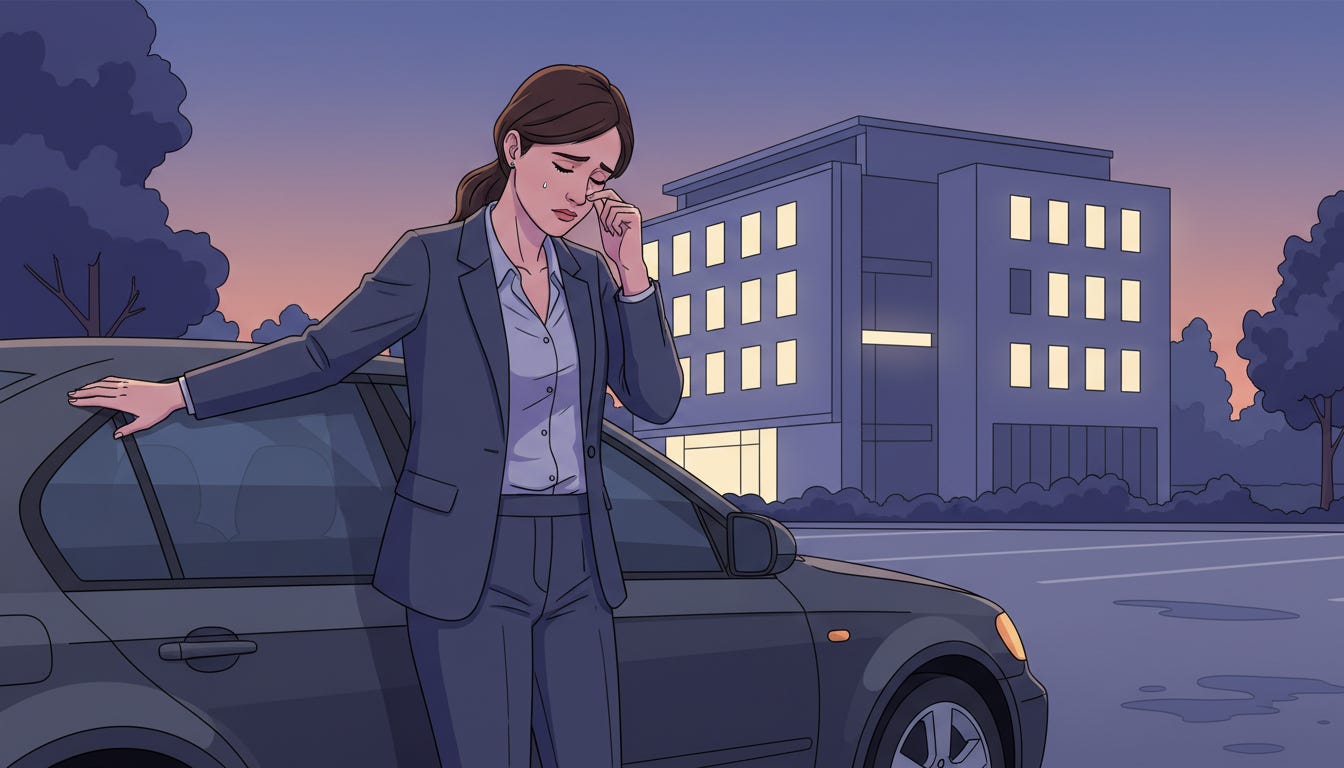
I’m imaging a women (it’s a fictitious example, but based on real-life situations) — she’s a brilliant operational leader — on the day she was told her role had been made redundant. She was composed, professional, dignified in the meeting, but understandably shaken, she then cried in the car park.
Not because she hadn’t seen it coming. She had.
But no amount of anticipation fully prepares you for the moment when an organisation effectively says: we can continue without you; maybe even better than with you.
Involuntary exit is a different animal from chosen departure. When you decide to leave, you retain narrative control. You are the architect of your own story.
This is what I have called for years Leave Well | Live Better.
When the organisation decides, that control is taken from you — and with it, often, a sense of identity and worth that you didn’t realise was so tightly bound to your role.
Viktor Frankl, writing within appalling and extreme circumstances during the Holocaust, articulated a principle that could apply here:
When we are no longer able to change a situation, we are challenged to change ourselves.
Redundancy removes your ability to change the organisational situation. What remains is your ability to determine how you move through it — and that determination, whilst it may not feel like much in the moment, is everything.
What I have observed is that people who navigate redundancy with genuine grace — not ‘performed positivity,’ but actual grace — share a common approach. They allow themselves to feel the loss fully, without rushing to reframe it. They resist the temptation to either vilify the organisation or blame themselves.
And they treat the transition as a genuine period of reflection rather than a panicked scramble for the next role.
See the works of William Bridges for some really important thoughts on this: here.
The practical pressures are real, of course. As we’ve recently explored, financial obligations do not pause for existential reflection. But even within those constraints, there is a choice about how you comport yourself through the process. That choice has consequences — for your professional reputation, for your personal wellbeing, and for the story you and others will eventually tell about this period of your life.
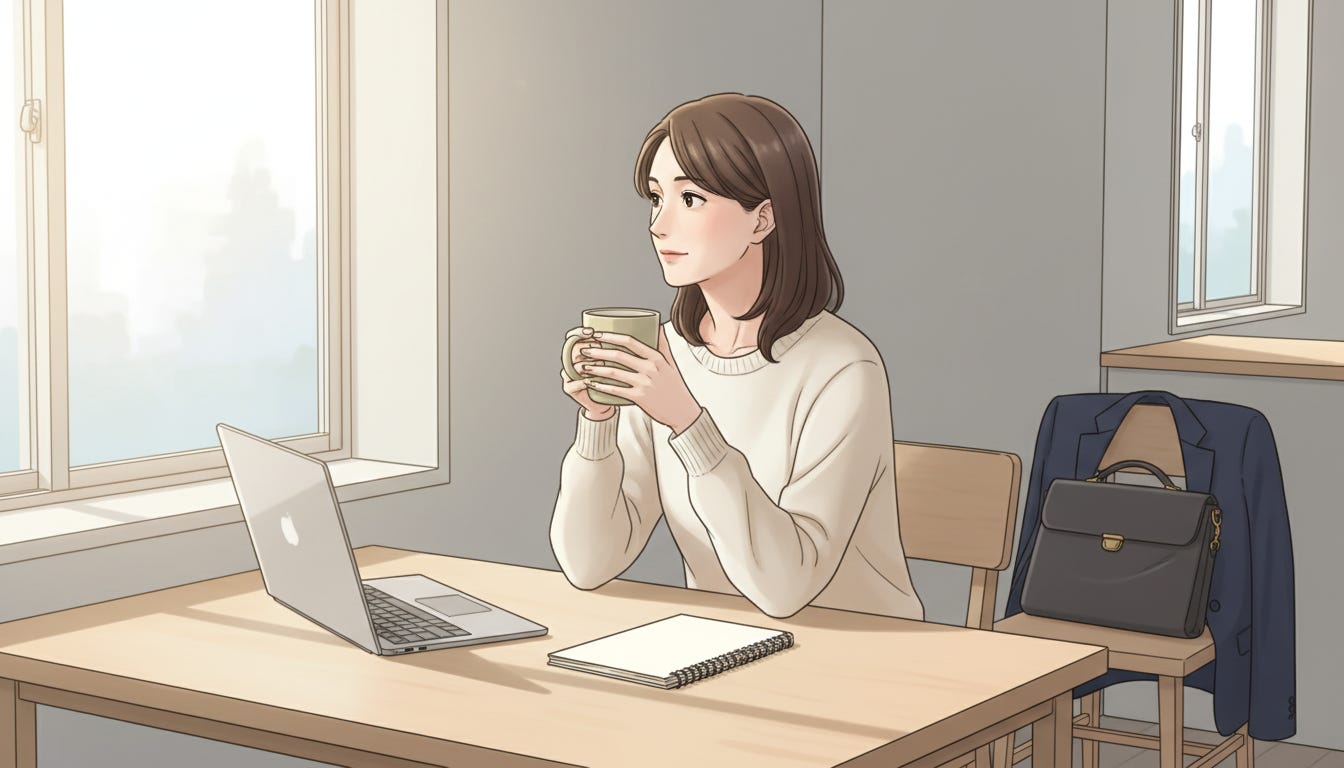
Allow the grief before the planning. The instinct to immediately update your CV and start networking is understandable but premature. Give yourself a defined period — even a week, although more is really needed — to process the emotional impact before shifting into action.
Grief that is bypassed tends to resurface at inconvenient moments.
Negotiate your exit with care, not with rage. The terms of your departure — notice period, references, coaching / support, the narrative communicated to colleagues — are all negotiable. Approach the conversation as a professional negotiation, not as an emotional confrontation. Seek legal advice if needed. You will never regret having been thoughtful and measured in your response.
Resist the identity collapse. You are not your role. This is easy to say and extraordinarily difficult to feel when your role has just been removed. But the skills, relationships, and professional identity you have built do not disappear because an organisation has restructured. They travel with you. The role was a vehicle. You are the driver.
Next up: Clarity from Complexity: The two-year itch