

Clarity from Complexity: Outsized ego; undersized empathy
Harvey Belovski’s Newsletter #88

I’ve watched it happen many times.
The capable executive who becomes impossible to challenge.
The brilliant strategist or beloved rabbi who loses the ability to read a room.
The visionary founder whose confidence—once an asset—gradually turns into something harder and less generous.
Big personalities drive organisations forward. They also, quite often, drive them into walls.
The most dangerous leaders aren’t the overtly ghastly, cruel ones. In most environments (sadly religious spaces can sometimes be an exception), overt cruelty gets noticed and, eventually, addressed.
The truly dangerous are the unaware—those who genuinely don’t realise their impact on others. They interrupt without registering it. They dismiss contributions without seeing what they are doing. They demand extraordinary effort without seeing the cost to others. Power amplifies existing flaws, and gradually, the room stops telling them the truth.
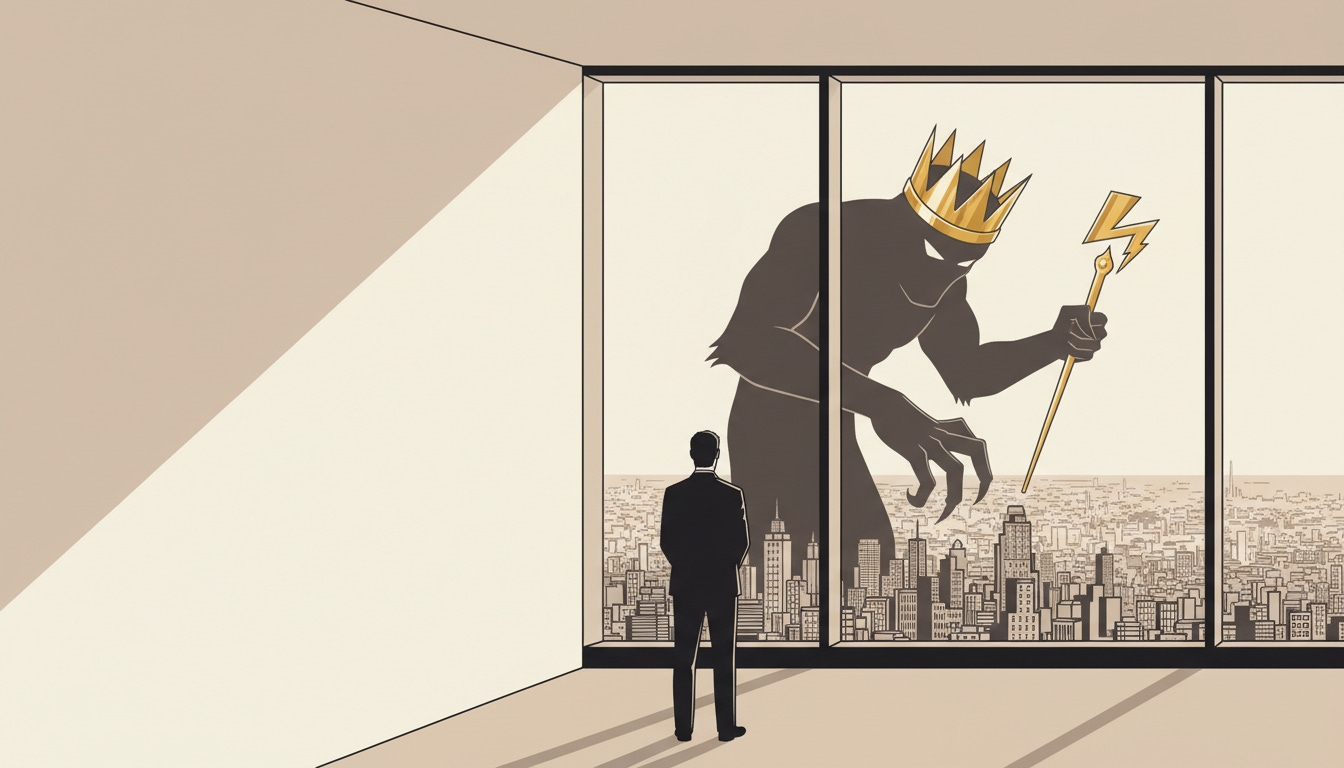
The following, attributed to Abraham Lincoln, neatly captures this idea:
Nearly all men can stand adversity, but if you want to test a man’s character, give him power.
Lincoln understood what organisational psychologists now confirm: power functions as a distortion. It makes your jokes funnier, your ideas sharper, your presence more magnetic—not because you’ve genuinely changed, but because the feedback mechanisms around you have.
People laugh harder, agree faster, dissent less, and stay silent far longer than they should.
The result is predictable. Incrementally, empathy disappears. Not through malice or conscious choice, but through lack of use. When nobody challenges you, you forget how to be challenged. When everyone defers, you stop noticing deference as unusual.
The psychological muscle that once allowed you to imagine others’ perspectives—to genuinely wonder what it’s like to be on the receiving end of your decisions—quietly weakens.
You become, without quite realising it, the person about whom colleagues quietly warn newcomers.
But this trajectory isn’t inevitable. Some leaders retain humility despite their considerable power. But that requires deliberate, sustained effort. It means actively inviting contradiction—and visibly rewarding it when it comes, even when it stings. It means creating forums where hierarchy is temporarily suspended: anonymous feedback mechanisms, external facilitators who don’t report to you, peer groups outside your organisation where your ‘importance’ is irrelevant or treated as hubris.
It also requires courage from those surrounding powerful people. To challenge respectfully but clearly. To refuse the implicit invitation to flattery and performance.
To tell the emperor, kindly but directly, that there’s a wardrobe issue that needs addressing.

This isn’t easy—it risks relationship, status, sometimes employment. But it’s necessary.
Here’s the clarity beneath the complexity: humility isn’t modesty or false self-deprecation. It’s accuracy about your limits. It’s recognising that competence in one domain—strategy, fundraising, technical execution—doesn’t automatically confer wisdom in others.
The best leaders I’ve worked with know what they don’t know, and they actively seek people who possess the knowledge, perspective, and courage they lack.
Next up: Clarity from Complexity: When bureaucracy breeds caution